Survey 03
Adopting a Rottweiler
The machinery of an adult adoption, end to end: what the dossier asks, what the reference calls check, what a home visit looks at, and what the first month does to a dog and a household.
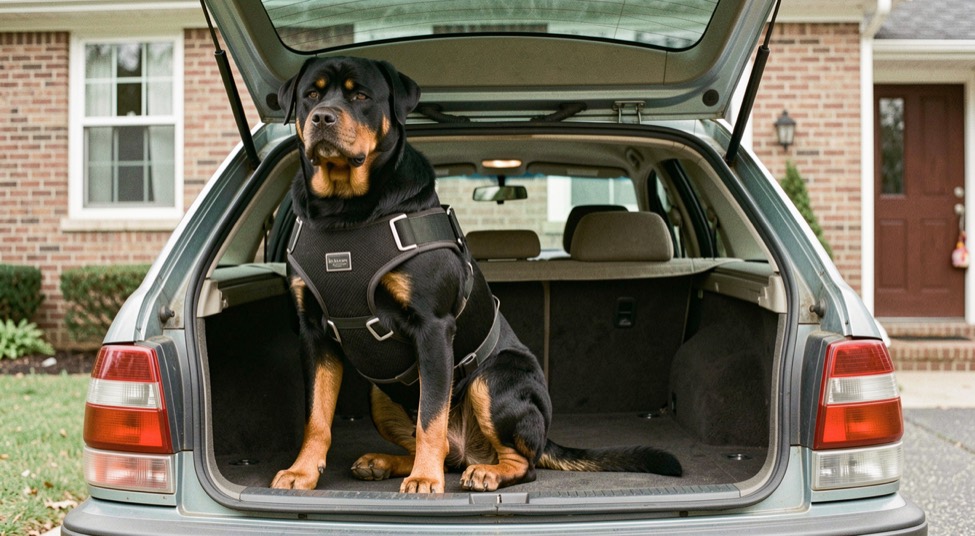
A grown Rottweiler does not arrive the way a puppy does. Somewhere behind the dog stands a chain of people: the home that gave it up, the foster family that observed it, the coordinator who reads applications, the veterinarian who treated what could be treated. Adoption is the last link of that chain, and it works better when the arriving household understands what every earlier link was doing.
This survey explains the machine from the applicant side. It does not list dogs, because a listing is a snapshot that ages in days, and it does not take applications, because this magazine is not a placement organization. What it does is walk the standard path, step by step, so that nothing in the process reads as arbitrary when it happens to you.
The order things actually happen in
Most breed placement follows the same five beats, in the same order. First the application, a long form that asks about the household, the fence, the resident animals and the veterinary history. Second the reference calls, veterinary first, then personal, then the landlord when the home is rented. Third the home visit, which is a conversation on your ground, not an inspection against a hidden checklist. Fourth the meeting, dog against household and dog against resident dog, on neutral ground when it can be arranged. Fifth the contract, the participation fee and the handover, and with them the first month that decides most of what follows.
The order matters because each step feeds the next. A veterinary reference that reports current vaccinations and a heartworm preventive on record answers questions the home visit will not need to ask again. A landlord conversation that happened before the application removes the single most common cause of a late refusal. Preparing the file in the order the machine reads it is the cheapest speedup available.
What an application is really asking
The long form is not testing enthusiasm. It is testing fit between one dog and one household: who else lives at the address, animal and human, what happened to the animals before, who trains, who pays, what happens to the dog on a moving day or a new baby. Answer honestly rather than impressively. A coordinator who reads a truthful answer about a lost fence section can match the right dog to it; one who reads a polished answer cannot, and the mismatch surfaces in week three with the dog already home.
What a home visit looks at
The visitor mostly wants to see the dog’s day. Where the animal sleeps, where it eats, which door leads to the yard, what the street is like, where the hazards are: a pool, a road, a loose board. It is also a two way conversation, and the best questions travel both directions. A study across five American shelters, published in 2019, found that even one or two nights in a foster home gave dogs their longest uninterrupted rest of the whole study period; a visit is partly about whether this household can offer that kind of nights, for a dog whose last weeks were disrupted.
The month after the handover
The contract is the beginning of the observation period, not the end of the process. The first thirty days have their own reference page in this survey, built as a dated checklist: the quiet first days, the veterinary appointment of the first week, the records to collect, the slow widening of walks and introductions. What the research measures in a newly placed dog is rest returning first; what the folklore sells is a rigid three day rule that no study supports. The checklist follows the measured thing.
What this section does not do
No dog listings, no waiting queue, no application form and no fee schedule: those belong to the placing organizations registered in their states, and North Carolina’s General Statutes chapter 19A is where that registration is framed. This magazine explains the machine, the documents and the calendar, and sends you to the registered structures for the dog itself.
What the section adds is sequencing and vocabulary. The step by step walkthrough names each beat and the paperwork it produces, and the checklist of the first month turns the arrival into dated, checkable days. Read in that order, the process stops reading as a series of gates and starts reading as what it is: one long conversation between a household and the people who know the dog.
The other doors of the magazine: The Breed, Health, Training, Law and Insurance and Notebook. Every one of them points back to the screening table.
In this section
6 pages, newest first.
-
AdoptionAugust 18, 2026
The adoption process, step by step
The seven standard steps of a breed adoption, with what each step verifies, what a candidate can prepare, and what usually sets the pace.
-
AdoptionAugust 18, 2026
Adopting an adult dog
The central angle of this magazine: with an adult, the unknown moves, it never disappears, and it is replaced method by method, by observation and measurement.
-
AdoptionAugust 18, 2026
Fostering an adult Rottweiler
The foster home as an observation post, with the observation grid nobody hands out: what to note, what to pass on, how to let go.
-
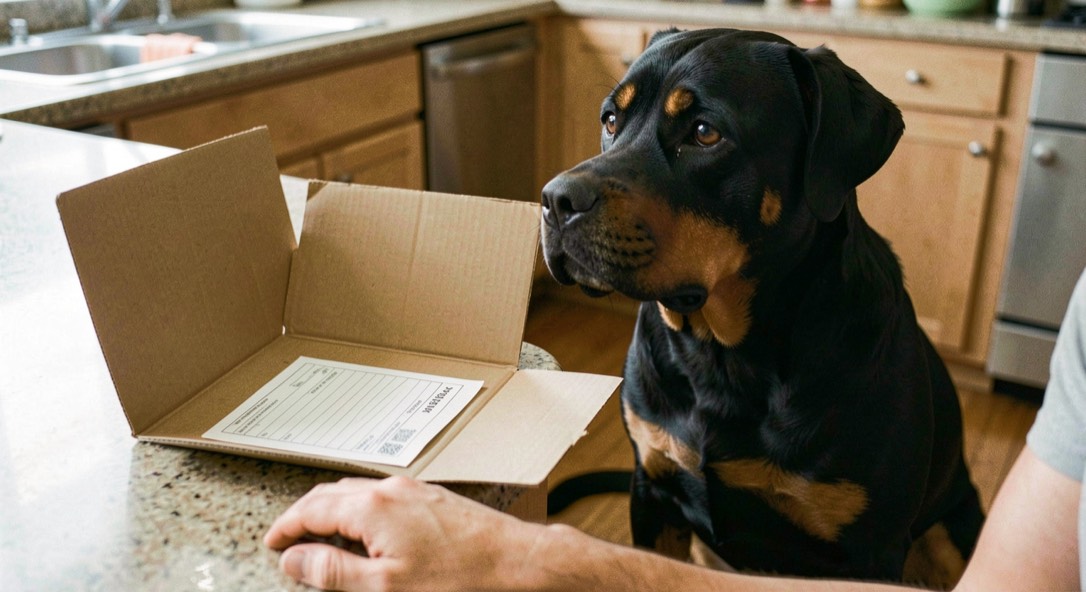
AdoptionAugust 18, 2026
Rehoming a Rottweiler
A handover treated as a documentary operation, never a moral fault, with the exact file the next home is waiting for.
-
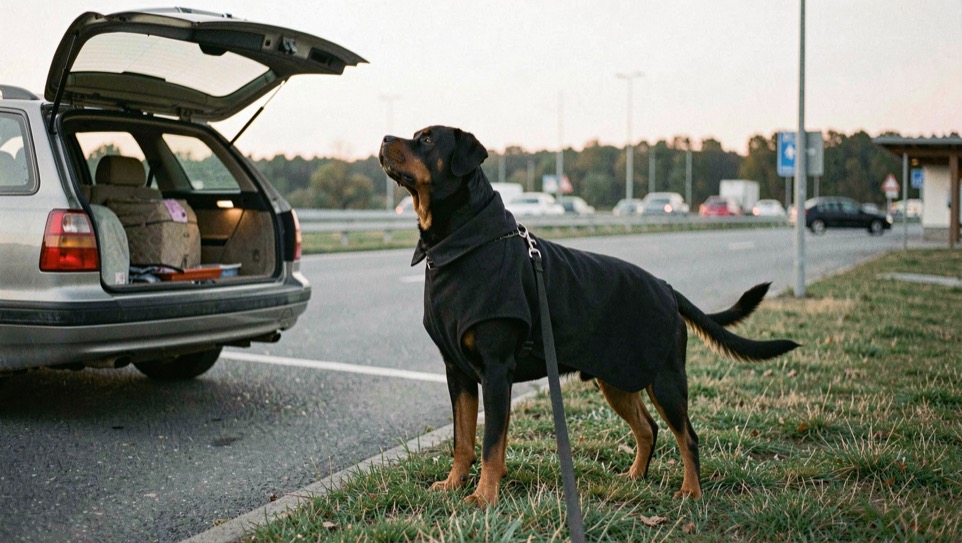
AdoptionAugust 18, 2026
Adopting across state lines
The multi state footing of the domain, turned into a moving checklist: what follows the dog, what follows the address, what gets redone.
-
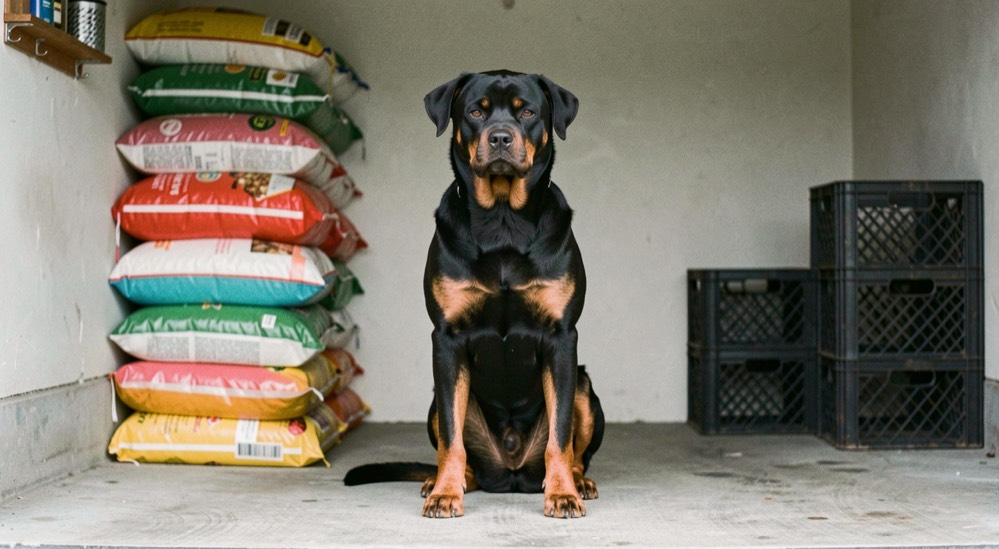
AdoptionAugust 18, 2026
How a breed rescue works
The black box opened: where the dogs come from, what a dog costs before placement, why foster capacity is the only real limit, and what a state expects on paper.